
News
Shocking Bangladesh T20 World Cup 2026 Boycott
23 Jan 2026, 11:09 pm
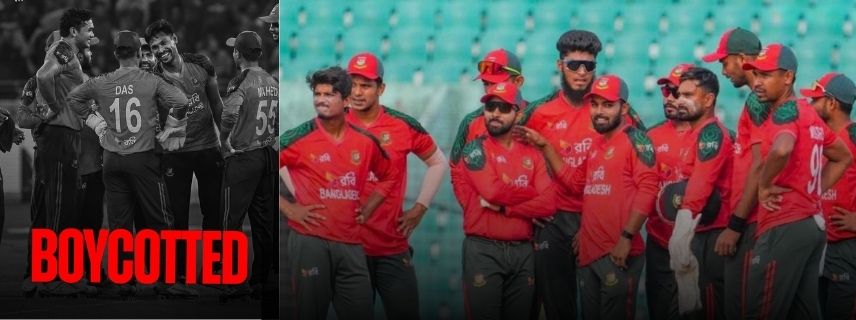
Bangladesh cricket has taken a historic and shocking stance by deciding not to participate in the T20 World Cup 2026 scheduled in India. The Bangladesh government, along with the Bangladesh Cricket Board (BCB), confirmed that they will not send the national team due to security concerns, making it a major decision affecting players, fans, and global cricket. This decision comes despite repeated requests from the International Cricket Council (ICC) to reconsider or shift matches to a neutral venue.
Government and Player Response
The Bangladesh government, through sports adviser Asif Nazrul, reinforced that the ICC's assessment was not acceptable and emphasized the safety of players, officials, and journalists. A crucial meeting between government officials, the BCB, and national team players revealed that while players understood the rationale, their welfare remains a significant concern.
Key figures such as Tamim Iqbal and Najmul Hossain Shanto voiced concerns about prioritizing player safety over political or administrative pressures. Despite pressures, the government maintained a hard-line stance, prioritizing national security over sporting obligations.
ICC and Global Cricket Implications
The ICC offered no change in schedule, leaving Bangladesh in a position where their absence may lead to replacement by Scotland, based on team rankings. The tournament, beginning February 7, includes Bangladesh's matches against West Indies, Italy, England, and Nepal at venues in Kolkata and Mumbai.
The refusal has sparked global cricket discussions, highlighting risks of security concerns in international events. ICC's prior arrangements for neutral venues in similar situations were cited by BCB president Aminul Islam as a double standard.
Financial Impact on Bangladesh Cricket Board
The boycott is set to cause a massive financial loss for the BCB. Reports indicate potential losses up to $27 million, representing around 60% of their annual income. Losses include broadcast rights, sponsorship deals, and other revenue streams.
Players are also directly affected due to missed match fees and performance-based incentives. BCB director Nazmul Islam faced backlash for comments on non-compensation, leading to his resignation. This financial impact underscores the gravity of Bangladesh’s decision and its wider implications for cricket in the region.
Player Welfare Concerns
Players have expressed strong concern over being forced to play under unsafe conditions. Security threats include regional political tensions and recent incidents such as the ousting of pacer Mustafizur Rahman from IPL due to "unspecified developments."
Former captain Tamim Iqbal suggested a more conciliatory approach, but this was dismissed by senior BCB officials. Players are expected to lose not only financially but also face career disruptions in international tournaments.
Reactions and Global Coverage
The boycott has attracted international media attention, with analysts questioning ICC’s handling of security issues. Cricketing nations have shown varied responses, with some supporting Bangladesh’s safety concerns while others stress tournament continuity.
The decision has also ignited debates on balancing political, safety, and financial interests in global sports events.
Schedule and Tournament Outlook
Bangladesh was scheduled to start its campaign against West Indies at Eden Gardens, Kolkata, followed by matches against Italy and England at the same venue, before traveling to Mumbai to play Nepal at Wankhede Stadium.
With their withdrawal, Scotland is likely to replace them, changing the competitive landscape of the T20 World Cup 2026.
Analysis of Strategic Decisions
The government’s approach reflects a prioritization of national responsibility over international cricket obligations. The ICC's refusal to accommodate Bangladesh’s concerns raises questions about governance and fairness.
BCB and players now face the dual challenge of managing public expectations and mitigating financial fallout while ensuring player safety remains uncompromised.
Future Implications for Bangladesh Cricket
Missing the T20 World Cup 2026 may affect Bangladesh’s global cricket rankings, sponsorships, and player morale. Strategic planning will be crucial for rebuilding international credibility and preparing for upcoming ICC events.
The decision also sets a precedent for other nations with security concerns, emphasizing that player welfare and governmental responsibility are paramount.
Conclusion
Bangladesh’s decision to boycott the T20 World Cup 2026 in India marks a historic and shocking moment in international cricket. Balancing security, player welfare, financial losses, and international obligations presents a complex scenario for BCB and government authorities.
As the tournament progresses without Bangladesh, cricketing stakeholders worldwide will watch closely how safety concerns, administrative decisions, and player rights shape the future of international cricket tournaments. The situation underscores the importance of strategic planning, transparent communication, and prioritizing human safety over sporting ambitions in global events.