
News
Shocking Pakistan Boycott Sparks Major Afridi Reaction
2 Feb 2026, 10:16 pm
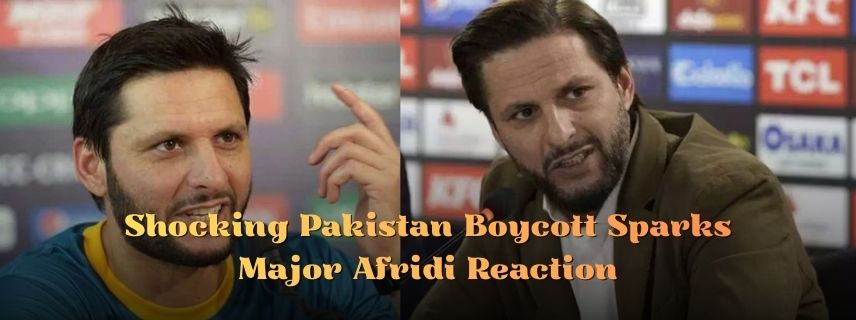
Pakistan boycott at the T20 World Cup 2026 has triggered intense debate after the Pakistan government instructed its team not to take the field against India. The high-profile decision has drawn reactions from former players, fans, and global cricket authorities ahead of the marquee clash scheduled for February 15 in Colombo.Former Pakistan captain Shahid Afridi described the Pakistan boycott as regrettable, stating that cricket has historically served as a bridge when political relations are strained. While expressing disappointment, Afridi also publicly supported his government’s stance, calling on the International Cricket Council to resolve the issue through fair and impartial action.
Pakistan boycott and ICC responsibility
The Pakistan boycott has placed the ICC under renewed scrutiny, with Afridi urging the governing body to demonstrate neutrality through decisions rather than statements. He stressed that selective participation undermines the spirit of international tournaments and risks long-term damage to the global cricket structure.
Afridi’s remarks came amid mounting criticism, as the Pakistan Cricket Board had already faced backlash following Bangladesh’s removal from the tournament. The Pakistan boycott has intensified concerns that political influence is increasingly shaping cricketing outcomes at ICC events.
Afridi’s stance on Pakistan boycott sparks debate
The Pakistan boycott has also highlighted contradictions in Afridi’s own views. In the past, he criticised Indian players for allowing politics to interfere with sport, yet he now backs similar government intervention. This shift has drawn mixed reactions from supporters and former players alike.
Despite defending the decision, Afridi reiterated that sports should ideally remain separate from politics. The Pakistan boycott, however, has become a flashpoint that reflects broader tensions within international cricket governance.
As the T20 World Cup 2026 approaches, the Pakistan boycott remains unresolved. Its final outcome could set a significant precedent for how future ICC tournaments handle political directives involving national teams.